Most beautiful small birds - Sykalo Eugen 2024
Javan Kingfisher (Halcyon cyanoventris)
Identification:
- Species name: Javan Kingfisher
- Scientific name: Halcyon cyanoventris
- Family: Alcedinidae (Kingfishers)
- Order: Coraciiformes (Rollers, kingfishers, bee-eaters)
- Subclass: Neornithes (Modern birds)
- Class: Aves (Birds)
Oh, my goodness, have you ever just stopped and truly looked at a bird? Not just a quick glance, but really, deeply, allowed yourself to be mesmerized? Because when you do, the world just… sparkles! And let me tell you, there’s one particular feathered marvel that has absolutely stolen my heart: the Javan Kingfisher, or as the scientists would say, Halcyon cyanoventris. Just the name itself sounds like a whisper of something utterly magical, doesn't it?
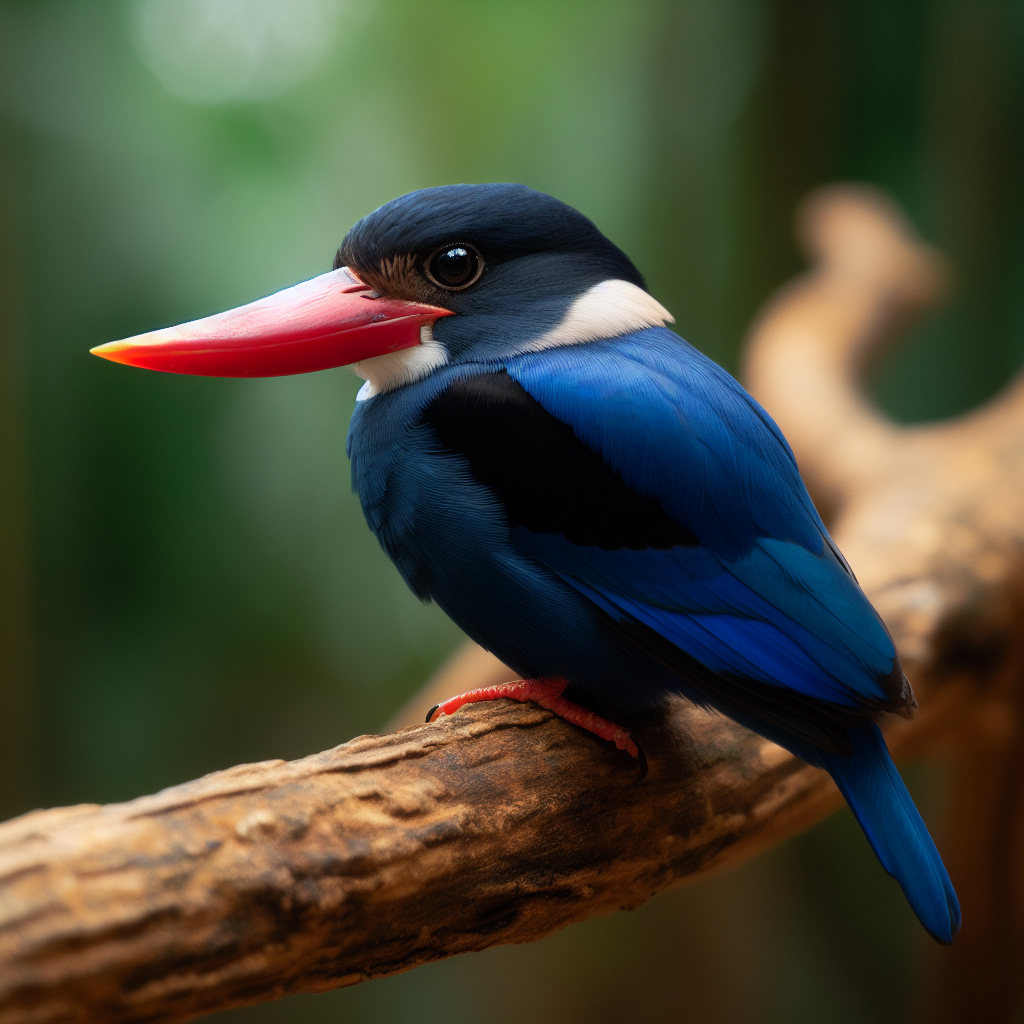
Imagine, if you will, a jewel that has somehow sprung to life, a living sapphire with wings. That’s our Javan Kingfisher! This isn't your average, garden-variety bird. Oh no, this is a creature painted with the very brushstrokes of a tropical dream. Its plumage shimmers with an intensity that seems to defy logic, a breathtaking mosaic of vibrant blues and purples, as if the dawn sky itself decided to condense into a feathered form. And its beak! A formidable, dagger-like tool, yet perfectly proportioned, promising swift action. You’ll find these dazzling beauties flitting through the humid air of Indonesia, a flash of pure, unadulterated joy against the lush green backdrop. And trust me, once you’ve seen one, its image will be etched into your memory, a permanent spark of wonder.
A Living Masterpiece: Morphology and Adaptations
Alright, let's dive into the artistry of this bird’s design! The Javan Kingfisher’s plumage is a spectacle, a symphony of color that would make even the most seasoned artist weep with envy. Picture this: a crown of rich, deep purple, almost iridescent, cascading down to a back that’s a dazzling, almost electric blue. It’s not just blue; it’s the blue of a tropical ocean on a sunny day, the blue of a perfectly ripe blueberry, the kind of blue that makes your heart skip a beat! And then, the underside — a striking, almost shocking burst of chestnut or rufous, providing a warm contrast that just pops against all that cool blue. The males and females? Oh, they’re practically twins in their stunning attire, which, to me, just speaks to an equitable beauty inherent in their very being!
Now, how does all this flamboyant coloration help them? Well, it's not just for showing off, though they certainly could! That vibrant blue on their backs, believe it or not, can actually help them blend into the dappled sunlight filtering through the forest canopy, making them surprisingly elusive despite their brilliance. It's like nature's own camouflage, a trick of light and shadow. As for their size, these little avian powerhouses typically measure in at around 25-30 centimeters (about 10-12 inches) from beak to tail, with a respectable wingspan that allows for powerful, direct flight. And they weigh in at a surprisingly light 50-70 grams, which means they're built for speed and agility, not bulk. It’s like they’re perfectly engineered aerodynamic wonders, sleek and efficient, built for precision!
And their tools! Their beak, my friends, is a marvel of natural engineering. It's long, stout, and straight, like a miniature harpoon, perfectly adapted for snatching slippery prey from the water or plucking insects from foliage. Their legs are relatively short, with strong, syndactyl toes (meaning two toes are fused at the base), ideal for perching on branches overlooking their hunting grounds. Their wings are broad and rounded, giving them that characteristic direct and rapid flight — none of that soaring around for these guys; they mean business! It’s almost as if they were designed by a celestial architect, each part perfectly tuned for its specific, dazzling purpose. They’re like nature’s own special forces, equipped with all the right gear for their mission!
Home Sweet Home: Ecology and Range
Where does this living jewel call home? Well, the clue is right there in its name! The Javan Kingfisher is an Indonesian exclusive, primarily gracing the islands of Java and Bali. Imagine sprawling rice paddies, the air thick with humidity, fringed by lush forests and verdant plains. That’s their kind of neighborhood! They're not picky little forest dwellers, hidden away in the deep canopy. Oh no, these adaptable beauties are quite at home in a variety of habitats, from open woodlands and forest edges to cultivated lands and even urban parks and gardens. They’re not afraid to live amongst us, a testament to their resilience and adaptability.
They’re truly a testament to nature's incredible ability to thrive wherever there’s a niche to fill. They particularly love areas near water sources, be it rivers, streams, ponds, or even fish farms. Why? Well, we’ll get to their dinner plans in a moment, but let’s just say they appreciate a good fishing spot! Their presence often indicates a healthy ecosystem, as they need clean water and a good supply of prey. It's almost like they're the vibrant, feathery guardians of these precious natural spaces, a constant reminder of the delicate balance that exists. And whoa, did you know that their ability to thrive in a mosaic of environments, from the wild heart of the jungle to the edge of human habitation, truly showcases their incredible adaptive intelligence? It’s not just about surviving; it’s about absolutely flourishing!
The Daily Grind (But Make It Fabulous!): Behavior and Ethology
So, what’s on the menu for our magnificent Javan Kingfisher? Mostly, they're piscivores, meaning they’re expert fishers! But they’re not exclusive to fish; they'll also happily snatch up insects, small reptiles, and even crustaceans. They’re like aerial gourmands, always on the lookout for a delectable bite. Their hunting technique is nothing short of spectacular: they’ll perch patiently on a branch, their vivid plumage blending surprisingly well with the foliage, until they spot their prey. Then, with a sudden, electrifying dive, they plunge into the water, emerging a split second later, often with a wriggling fish clutched in their powerful beak. It’s a breathtaking display of precision and speed, a true marvel of the avian world! And their role in the food web? They're important predators, helping to keep insect and fish populations in check, a vital cog in the magnificent machinery of nature.
And the sounds they make! Their vocalizations are not quite the melodic songs you might expect from a smaller passerine. Instead, they emit a series of loud, harsh, often repeated calls, a rather distinctive "kek-kek-kek" or "chak-chak-chak." It’s not exactly a lullaby, but it's their way of communicating, of proclaiming their territory, or perhaps just a friendly greeting to a passing kingfisher. It’s their voice, a testament to their wild, untamed spirit. Maybe it’s a bit like a jazz solo, played with gusto and a touch of the unexpected! Why do they choose such a bold sound? Perhaps it’s to cut through the cacophony of the jungle, a statement of their vibrant presence.
Now, for the really heartwarming stuff: reproduction and nesting! Javan Kingfishers are cavity nesters, often excavating their nests in earthen banks near water. They’ll use their strong beaks to tunnel into the soft earth, creating a safe, cozy chamber for their precious eggs. It's a true labor of love, a testament to their dedication to their future offspring. The female typically lays a clutch of 2-5 pristine white eggs. Both parents take turns incubating them, a shared responsibility that speaks volumes about their partnership. After about three weeks, tiny, hungry kingfisher chicks hatch, utterly dependent on their devoted parents. The parents then embark on a tireless quest for food, bringing back morsel after morsel to their rapidly growing brood. It’s a flurry of activity, a constant shuttle service of delicious delights, all to ensure the survival of the next generation of these magnificent birds. And the survival rates? Well, it's a tough world out there, but these parents are absolute warriors, dedicated to giving their young the best possible start. It’s an exhilarating tale of family and dedication, a beautiful cycle of life!
And migration? Thankfully for us, the Javan Kingfisher is generally a resident species. They don’t embark on those epic, arduous migrations across continents, preferring to stay put in their lush Indonesian paradise. This means we can always rely on finding them in their usual haunts, a comforting presence amidst the ever-changing tapestry of nature. They’re like the beloved, dependable neighbors you always look forward to seeing! They live mostly solitarily or in pairs, fiercely territorial when it comes to their hunting grounds and nesting sites. There’s a certain independent spirit to them, a quiet strength that resonates deeply.
Quirks and Charms: Unique Biological Facts and Features
Here's a fact that always makes me grin: while they are incredibly adept at fishing, they’re not always the most graceful at it! Sometimes, a fish might be a little too big, or they might misjudge the dive, leading to a comical splash and an empty beak. It’s a wonderful reminder that even nature's most skilled predators have their clumsy moments, making them all the more endearing! And their vibrant colors aren't just for show or camouflage; they’re also crucial for communication, signaling health and vitality to potential mates. It's like their plumage is a living, breathing resume, shouting, "Hey, look how amazing I am!"
Their interaction with humans is quite fascinating. While some species shy away from human presence, the Javan Kingfisher, as I mentioned, can sometimes be found in urban parks and gardens, especially those with water features. It's a lovely reminder that we can coexist with these wild wonders, that our shared spaces can be a home for all. However, human activity, particularly habitat loss due to deforestation and pollution of waterways, remains a significant threat to their populations. It’s a stark reminder of our responsibility as stewards of this incredible planet. But don't despair! Even in areas where human encroachment is high, their adaptability gives us a glimmer of hope.
A Call to Action (Sprinkled with Stardust!): Conservation Status
So, are these breathtaking birds in trouble? Currently, the Javan Kingfisher is listed as "Least Concern" by the IUCN, which is fantastic news! This means their populations are relatively stable, and they are not facing immediate threats of extinction. However, "Least Concern" doesn't mean "no concern" at all. Like all creatures, they are susceptible to habitat degradation and pollution. Their reliance on clean water sources makes them particularly vulnerable to contaminated rivers and streams.
But here’s where the optimism and inspiration really kick in! The very fact that they are currently thriving is a testament to the ongoing conservation efforts in Indonesia and the resilience of nature itself. Protected areas, national parks, and even local community initiatives to keep waterways clean all play a crucial role in safeguarding their future. And each of us, in our own small way, can help! Supporting organizations that work on habitat preservation, reducing our own environmental footprint, and even simply appreciating and learning about these incredible birds can make a difference. Imagine, knowing that your small actions contribute to a world where these living sapphires continue to flash through the emerald landscapes of Java! It's a wonderful thought, isn't it?
The Enduring Spark
And so, we bid a temporary farewell to our feathered friend, the Javan Kingfisher. It’s more than just a bird; it’s a living testament to the sheer, unbridled artistry of nature. It’s a flash of electric blue against the green, a vibrant call in the humid air, a precision hunter, and a devoted parent. Its story is a whisper of the wild, a vibrant reminder that even in our ever-changing world, there are still pockets of pure, untamed magic.
So, the next time you hear a splash, or see a sudden flash of color, take a moment. Pause. Breathe. And remember the Javan Kingfisher, a living jewel, a testament to the enduring, sparkling vivacity of life. And who knows? Maybe, just maybe, you'll feel that same tug of awe and wonder that makes my heart absolutely sing. Because the world, my friends, is full of such breathtaking surprises, just waiting to be discovered! Now go on, let that vibrant feeling carry you through your day!